1860s
After political changes in Japan, the Japanese begin to migrate to other regions of the world, including the United States.

Hiroshi "Hershey" Miyamura. Courtesy of the National Archives and Records Administration.
1868
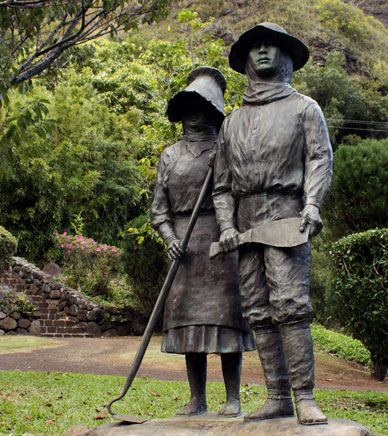
The first small group of Japanese immigrants, known as the gannen mono, arrives in Hawaii to work as contract laborers for large sugar plantations.
Hiroshi "Hershey" Miyamura. Courtesy of the National Archives and Records Administration.
1917
Immigration Act restricts the immigration of “undesirables” and those from the Asiatic Barred Zone, any areas connected to the continent of Asia and not owned by the US.

Hiroshi "Hershey" Miyamura. Courtesy of the National Archives and Records Administration.
1922
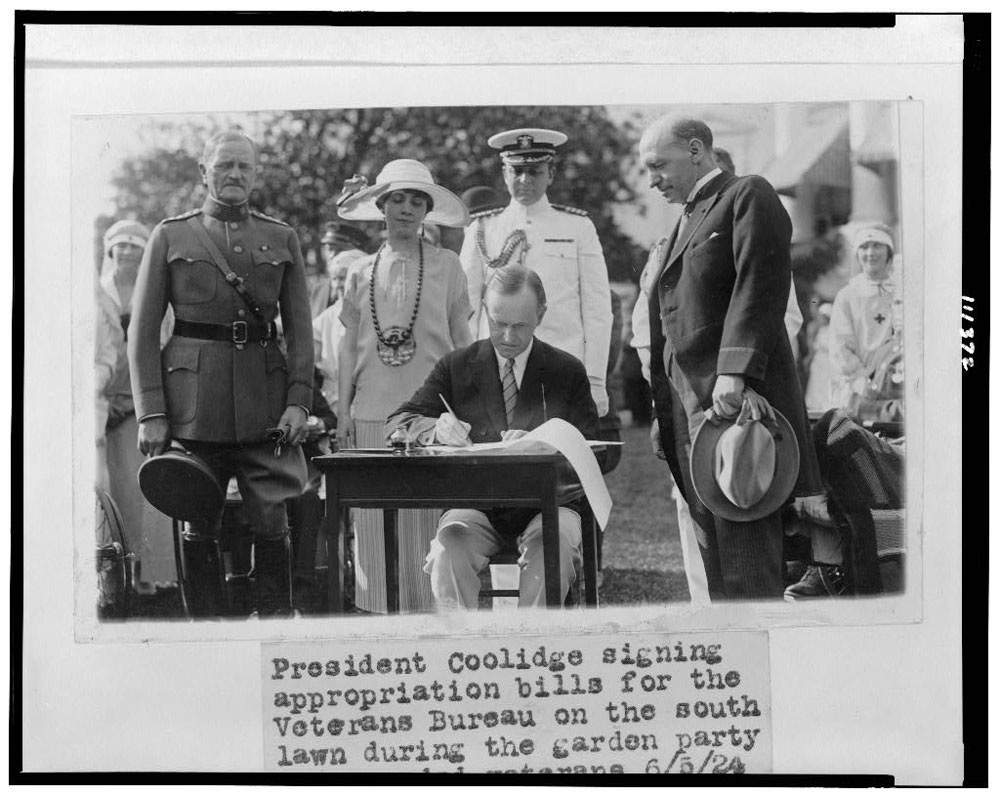
The Cable Act denies citizenship to female citizens who married aliens and to female aliens who married US citizens. Asian American women in particular are barred from regaining their citizenship through naturalization because of their race.
Hiroshi "Hershey" Miyamura. Courtesy of the National Archives and Records Administration.
1924
The Immigration Act of 1924 establishes immigrant quotas that exclude any Asians from entering the United States.
1931
Japan seizes the city of Mukden in what is known as the The Mukden, or Manchurian, Incident, thus beginning its invasion of China and fueling anti-Japanese sentiment.

Hiroshi "Hershey" Miyamura. Courtesy of the National Archives and Records Administration.
1940
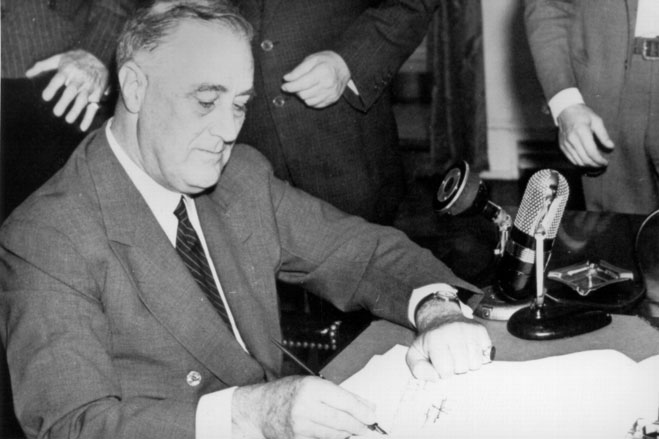
Congress passes the Alien Registration Act, requiring all aliens and non-US nationals to register with the government and be fingerprinted, and making it illegal “to advocate, abet, or teach the desirability of overthrowing the government.”
Congress also passes the Selective Training and Service Act, requiring all men between the ages of 21 and 45 to register for the draft. This was the first peacetime draft in US history.
Congress also passes the Selective Training and Service Act, requiring all men between the ages of 21 and 45 to register for the draft. This was the first peacetime draft in US history.
Hiroshi "Hershey" Miyamura. Courtesy of the National Archives and Records Administration.



.png)